







Local Warehousing and the Physics of Same-Day Vape Delivery
A parcel cannot move faster than the distance between it and the buyer. That single sentence explains almost everything about whether a same-day delivery promise holds up or collapses under its own marketing. No courier, no matter how well paid or how motivated, can beat the clock if the item they are carrying is sitting in a warehouse three countries away. This is why the practical question behind any fast Vape delivery sg service is not really about couriers at all. It is about where the stock physically sits before an order is ever placed.
Singapore makes this dynamic unusually sharp. The island is small, dense and well connected, which means the last mile is rarely the bottleneck. A rider can cross from one end of the country to the other in well under an hour in normal traffic. The real constraint is upstream: whether the specific device, pod or flavour a customer wants is already inside the country, in a facility that can pick and pack it immediately. When it is, same-day delivery looks effortless. When it is not, the same service suddenly quotes three to ten working days and the customer wonders what changed.
What changed was distance. This article looks at the physical mechanics behind fast vape delivery in Singapore: how local warehousing works, why stock positioning matters more than courier speed, and how dispatch systems convert proximity into a delivery window you can actually rely on.
Why Distance Sets the Ceiling on Any Delivery Promise
Think about a delivery as a chain of fixed costs in time. There is the time to receive an order, the time to locate and pick the item, the time to pack it, the time to move it from the warehouse to the customer, and the time to hand it over. Most of these steps can be compressed with better systems. Packing can be streamlined. Picking can be guided by software. Handover can be quick if the address is clear. But the movement step has a hard floor set by geography, and that floor is what determines whether same-day is even theoretically possible.
If stock is held overseas, the movement step includes international freight, customs clearance and local transfer before the last mile even begins. That is not a courier problem; it is a border problem. No amount of rider hustle fixes it. If stock is held locally, the movement step shrinks to the distance between a local facility and a local address. In Singapore, that distance is almost always short enough to fit inside a single day.
This is the core reason local stock availability is the true foundation of fast delivery. A retailer can advertise speed, but speed is only credible when the inventory is already positioned close to the buyer. Everything else is logistics theatre.
How Local Warehousing Turns Inventory Into Speed
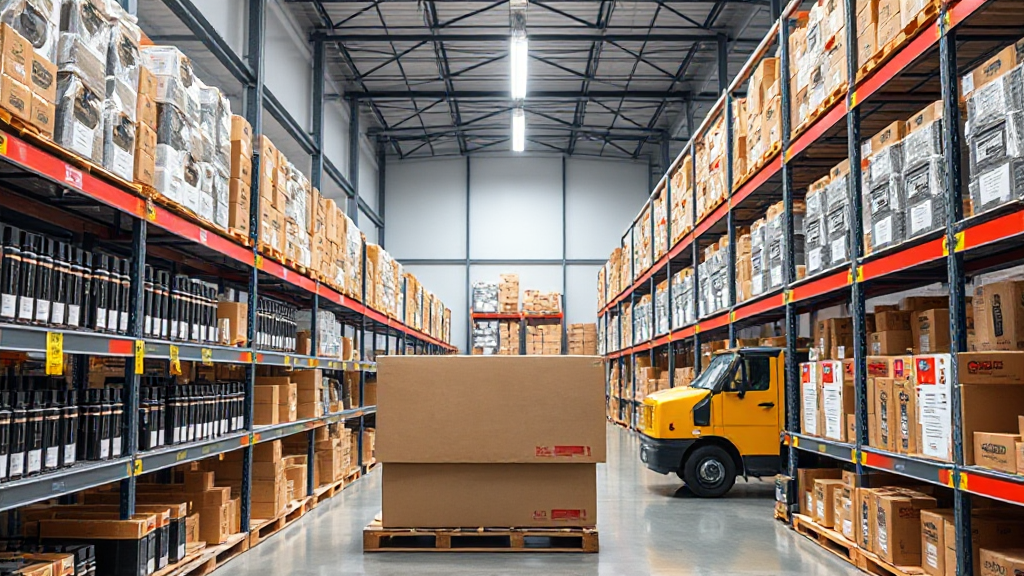
A local warehouse is not just a storage room. It is a time-compression machine. When a retailer like SG Lana Group holds ready stock inside Singapore, it converts a future delivery into an immediate one. The item does not need to travel to the country because it is already there. It only needs to travel to the customer.
That distinction changes the entire order of operations. In an overseas-fulfilment model, the sequence is: order, then import, then clear, then deliver. In a local-stock model, the sequence is: order, then pick, then deliver. The import and clearance stages simply disappear from the customer’s timeline. They were completed earlier, in bulk, before the order existed. This is why local warehousing is less about storage and more about pre-positioning: moving goods ahead of demand so that demand, when it arrives, only has to cover the last leg.
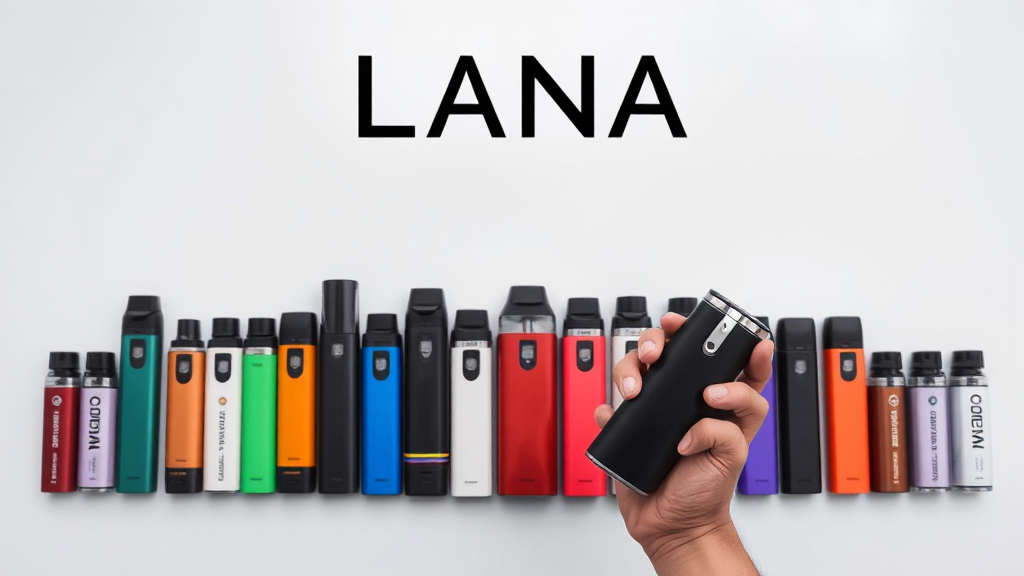
For vape products specifically, this matters because the category has a wide and shifting range. Devices, pods, disposable models and flavour variants all compete for shelf space, and popular items can sell out quickly. A warehouse that holds genuine local inventory can absorb that demand without waiting on a shipment. A warehouse that depends on overseas supply cannot. The customer experiences the difference as a delivery estimate that either holds or slips.
There is also a quality dimension. Stock that sits in a local, climate-appropriate facility is easier to inspect, rotate and manage than stock in transit. When a retailer offers Singapore lana vape products from ready local stock, the practical benefit is not just speed but consistency. The item that arrives is the item that was checked, not a parcel that has been in motion for weeks.
Stock Positioning: The Quiet Decision That Decides Delivery Windows
Warehousing is the capacity to hold stock. Stock positioning is the decision about where within that capacity each item should live. These are related but not identical, and the second one is where most delivery promises are won or lost.
Imagine a warehouse with thousands of SKUs. Some move every day. Some move once a month. Some are seasonal. If everything is stored with equal priority, pickers waste time walking to slow-moving items while fast-moving ones sit in awkward locations. If fast-moving items are positioned near dispatch, the same order can be picked in a fraction of the time. Multiply that saving across hundreds of daily orders and it becomes the difference between a dispatch cut-off of 3pm and one of 6pm.
Positioning also determines resilience. A retailer that spreads critical stock across multiple local locations reduces the risk that a single facility issue halts all deliveries. A retailer that concentrates everything in one place gains efficiency but loses redundancy. There is no universally correct answer, but there is a clear principle: the closer high-demand items are to the dispatch point, the more reliably a same-day window can be honoured. lana vape sg
This is why the visible part of a fast delivery service, the rider at the door, is the least interesting part of the system. The interesting decisions happened earlier, when someone chose which items to hold locally and where to place them inside the building.
Dispatch Mechanics: From Order Confirmation to Rider Handover
Once stock is positioned, dispatch becomes a coordination problem rather than a distance problem. The goal is to move an order from confirmation to rider handover with as little friction as possible, because every minute spent in the warehouse is a minute not spent in transit.
A well-run dispatch process usually follows a predictable sequence. The order is confirmed and routed to a pick list. The picker retrieves the item from its positioned location. The item is packed, often with discreet packaging so that the parcel does not advertise its contents. The parcel is labelled and staged for collection. A rider collects it and begins the last mile. Each step is short, but they must connect without gaps.
Gaps are where same-day promises fail. A missing label, an ambiguous address, a picker who cannot find an item because it was positioned poorly, a rider assigned to a route that does not match the parcel’s location. None of these are dramatic failures, but together they can push an order past its window. Good dispatch design removes these gaps by making each step predictable and by keeping the physical layout aligned with the order flow.
For the customer, the result is a Lana vape same day delivery experience that feels simple: order, wait a short while, receive. The simplicity is real, but it is manufactured. It is the visible surface of a system that has already solved the distance problem before the customer ever clicked buy.
Discreet Packaging and the Last-Mile Experience
The last mile is not only about speed. It is also about how the delivery is experienced at the door. For many vape customers, discretion matters as much as timing. A parcel that arrives quickly but announces its contents to everyone who sees it is only half a good service.
Discreet packaging solves this by separating the product from its presentation. The item is protected and identifiable internally, but externally the parcel is neutral. This is a deliberate design choice, and it interacts with logistics in a practical way: neutral packaging is often easier to standardise, which means faster packing and fewer errors. Discretion and speed are not in conflict here. They are usually complementary.
The last mile also depends on the address and the handover. Clear addresses, accessible delivery points and reliable rider communication all reduce the chance of a failed delivery, which is the most expensive outcome in any same-day system. A failed delivery wastes the entire chain of effort that preceded it. A successful one validates every positioning and dispatch decision made upstream.
When a service offers Singapore vape delivery with discreet packaging and local stock, it is really offering a combined promise: the item is close, the process is fast, and the handover is quiet. Each part depends on the others. Remove local stock and the speed disappears. Remove discretion and the experience suffers. Remove reliable handover and the whole thing collapses at the door.
What Buyers Should Actually Look For in a Fast Delivery Service
If distance sets the ceiling on delivery speed, then the most useful question a buyer can ask is not “how fast do you deliver?” but “where is the stock right now?” A retailer with genuine local inventory can answer that question concretely. A retailer without it can only promise a future shipment and hope the timeline holds.
Several signals distinguish a locally stocked operation from one that is not. The first is the delivery estimate itself: same-day or next-day windows are only credible when stock is already in the country. The second is product availability: locally held items tend to show consistent availability rather than frequent out-of-stock notices. The third is the specificity of the offer: a service that can describe its local stock, its packaging approach and its dispatch cut-offs is usually one that has actually built the infrastructure, not just the marketing.
It also helps to understand what a Sg vape shop delivery model can and cannot do. It can move an in-stock item from a local facility to a local address within a day. It cannot conjure an item that is not in stock, and it cannot beat customs or international freight. Recognising this boundary makes it easier to judge whether a speed claim is realistic or aspirational.
The broader lesson is that fast delivery is a property of inventory placement, not of courier enthusiasm. The rider is the visible end of a chain that begins with a decision about where to hold stock. When that decision is made well, same-day delivery looks like magic. When it is made poorly, no amount of last-mile effort can rescue it.
For buyers in Singapore, this reframes the whole question. Instead of comparing delivery slogans, compare the physical reality behind them. Ask where the stock is held, how it is positioned, how dispatch is organised and how the parcel is presented at the door. The answers will tell you far more about reliability than any advertised speed. A service built on genuine local warehousing and thoughtful positioning can make same-day delivery a dependable norm rather than a lucky exception. That is the real advantage of proximity, and it is the reason the distance between a parcel and its buyer remains the most important number in the entire system.